Author: Aneta Quraishy, Senior Expert, Diesis Network
As Europe accelerates its digital and green transitions, Proximity and Social Economy (PSE) actors – such as cooperatives, social enterprises, and mission-driven SMEs – face both opportunities and risks. Despite their societal importance, many remain underprepared for digital disruptions, internal and external crises, and emerging technologies such as AI.
The DO Impact DIESIS Digital Day aimed to empower PSE organisations with the knowledge, tools, and networks they need to enhance their digital resilience and be able to put in place actionable strategies in digital upskilling and organisational readiness to advance sustainable prosperity.
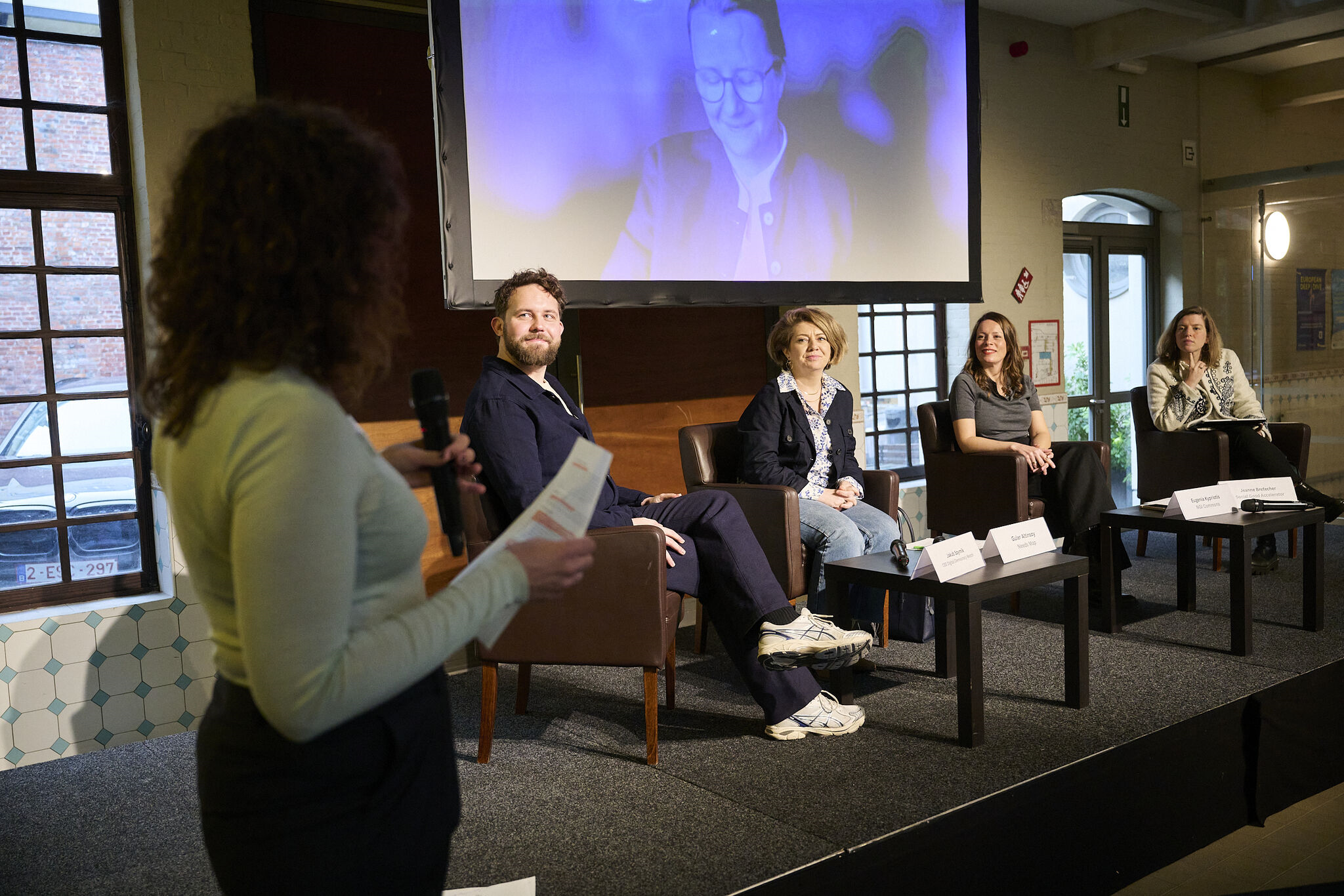
Participants deep dived into the topic of digital preparedness and organisation transformation. The questions explored were not abstract, but rather urgent.
- How do we ensure technology genuinely serves society, instead of spreading disinformation that deepens polarisation and undermines democracy?
- How do we protect European digital sovereignty while also empowering civil society to navigate an ever more complex digital environment?
- How can we build a value-based, holistic approach that prioritises soft skills and well-being alongside technical expertise?
Europe may not be leading like the US or China in customer facing AI tools, but we certainly have something to say in innovation areas applying AI to health, energy, housing and other thematic areas.
The social economy ecosystem already operates on a values‑first logic; DO Impact builds on this by pairing digital and data upskilling with co‑creation and impact‑management practices, so technical capabilities grow together with soft skills, organisational well‑being and social impact.
Levelling up your digital skills is not about chasing every new tool; it’s about aligning technology with your social mission. For social economy organisations, digital transformation starts small: one problem, one experiment, and a commitment to learn together.
Digital resilience is less about perfect platforms and more about people, culture, and the confidence to adapt when things change. When we use data ethically to understand our communities, we make better decisions and increase the impact of every euro. Building digital skills in the proximity and social economy is how we strengthen local communities and Europe’s social fabric at once.
Through our work we equip social economy SMEs and enabling organisations with ethical, data‑driven digital tools and skills. Anchored in the ecosystem’s values of transparency, participation and care for people and planet, this helps technology strengthen trustworthy information and democratic debate instead of disinformation.
One thing became crystal clear throughout our discussion: organisational preparedness is not just about acquiring tech skills. It is about defending the values and democratic foundations that hold our communities together. The conversation continues—and civil society’s role in shaping technology’s future has never been more critical.
Special thank you to the following partners in making this conversation even more relevant: AI for Societal Good – DG Connect, TechSoup, Needs Map, CEE Digital Democracy Watch, Social Good Accelerator (SOGA) and Martell Innovate – NGI Commons. From the Diesis Network we look forward to continuing the collaboration.