News and reflections shaping the sector

Diesis Network’s contribution to the Transition Pathway proximity & social economy – call for pledges

As part of the co-implementation process, the European Commission encourages, collects, promotes and supports public and private stakeholder commitments for concrete actions to move towards the green and digital transition of the ecosystem.

Transition pathways: the policy papers 

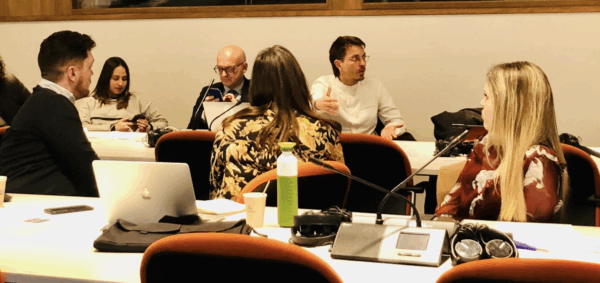
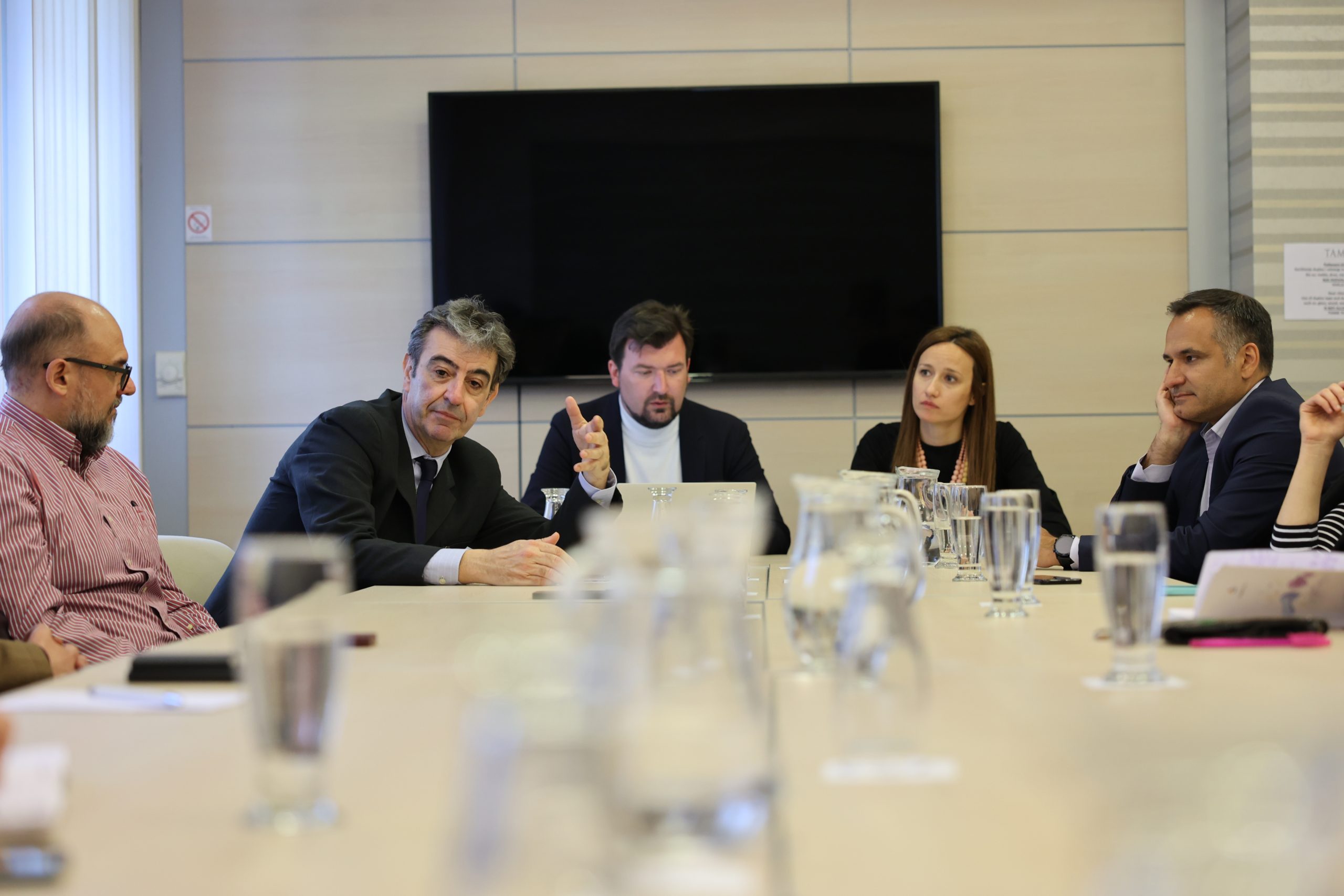
In 2022, Diesis led a consortium, composed also of Euclid Network, Euricse and Social Economy Europe, which supported the European Commission in the development of the transition pathway for the proximity and social economy ecosystem.

Social Economy Approach to Creating Gender Safe Workplaces

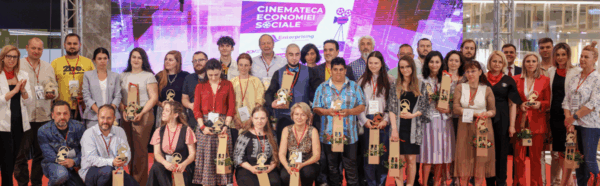
“Accelerator of Social Enterprises!” Romania’s First Social Economy Cluster Registered on the European Cluster Platform

At the end of 2021, ADV Romania registered the Accelerator of Social Enterprises Cluster in the European Cluster Platform – an initiative of the European Commission funded by the EU Competitiveness of Enterprises and SMEs (COSME) programme.

The Transition Pathway Report is Out

Last Monday 14th of November, the European Commission published the transition pathway, co-created with relevant parties in the social economy sector, such as Diesis Network, to help social economy entities and small local businesses become greener and more digital.

Bridging Practices: The Role of Social Econy in Building Peace

Tourism: How Social Economy Can Make it More Sustainable

Tourism can play an important role in improving the attractiveness and well-being of places and communities, not only as destinations to visit, but also to live, work and invest.

RISE Regional Forum in Tirana

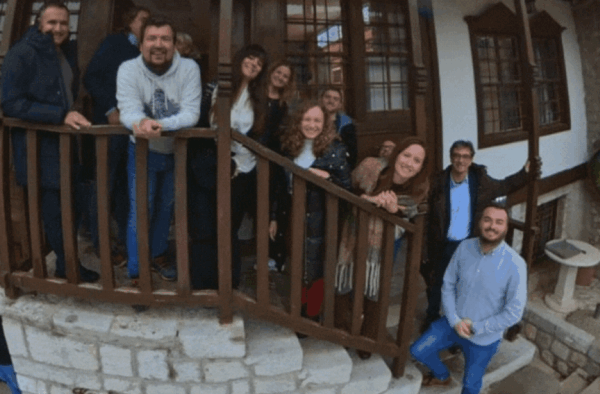
From the 6th to the 8th of September Diesis attended the RISE regional forum in Tirana, organized by RYCO, Pulse, SEE YN, OFAJ and Institut français. The RISE (Regional Incubator for Social Entrepreneurs) project believes that youth of the Western Balkans are talented, full of innovative ideas and eager to achieve them.

Empower women to regenerate our rural communities

The European Green Deal sets Europe on the pathway to becoming the first climate-neutral continent by 2050. The EU’s first-ever Gender Equality Strategy is designed to make gender equality in the EU a reality.

Some Insights of the Blue Economy: the Role of the Social Enterprises

Thoughts about employee financial participation, democracy at work, competitiveness and sustainability

There is no democracy at work without worker involvement. These days democracy – including economic democracy – is even more important than ever when we witness decline in democratic trends especially in politics in certain countries what has a profound effect on all areas of life.

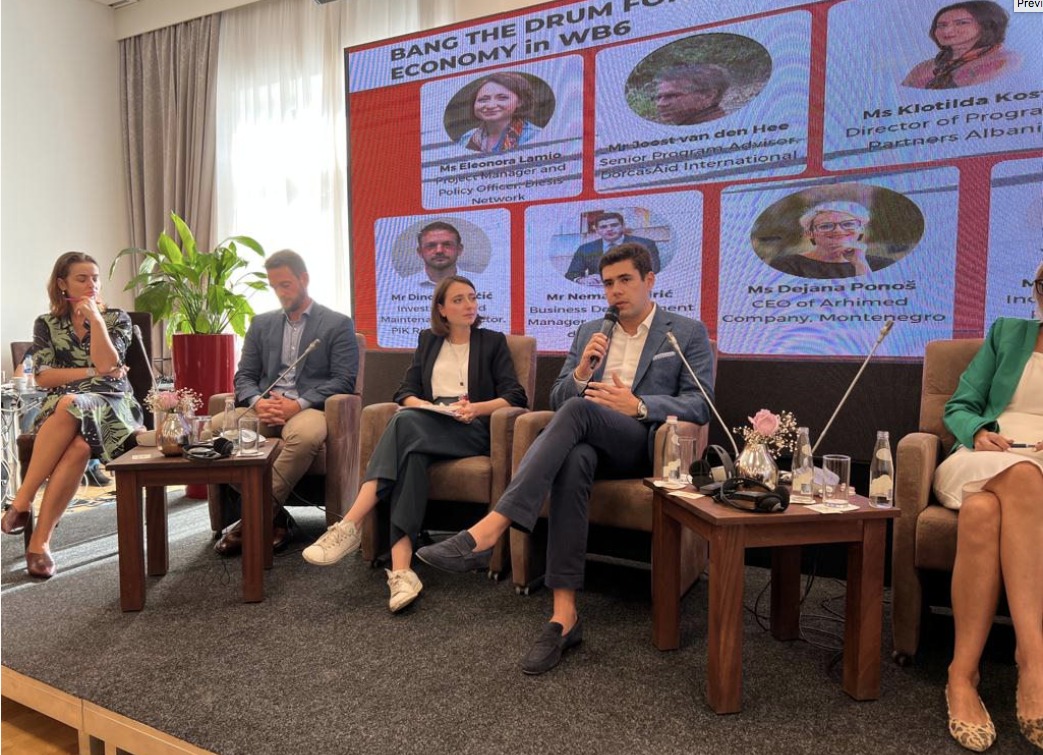
Social economy advocacy in the Western Balkans

Last March we had the chance to join our Western Balkans partners in Podgorica (Montenegro) in the framework of the WB SEA project for a training on advocacy processes led by young people under the framework of social economy policies.

Twin transition: what impact for the European citizens

In the last months Diesis has been talking about the Twin Transition as the one way to overcome the environmental and societal challenges of this century. If the Covid-19 pandemic amplified even more the needs of a structural change in our society at all levels underlining the need of a change of direction, what do we exactly expect from this Twin Transition?

Social Economy towads the new European Bauhaus

Empower rural community through social economy enterprises

Dua Partner Invest platform – Partners Albania

Our member Partners Albania launched a new initiative in the startup development field : Dua Partner Invest platform. This is the result of many years of work on the start-ups ecosystem development.

Social economy organisations and trade unions – partners in social dialogue?

Social dialogue – as defined by the ILO – includes all types of negotiation, consultation or simply exchange of information between, or among, representatives of governments, employers and workers, on issues of common interest relating to economic and social policy.

The future of youth: what role for social economy?

The future of youth is at the heart of the European Union’s interest and strategies. In particular, the European Commission brings great attention to the topic of youth employment, and mostly to youth unemployment.

A brief overview of youth unemployment in the EU

Why we took a bath in the Mediterranean

Since the first appearance of the Italian “Social Enterprise Review” (Rivista Impresa Sociale) back in 1990, prior to the first law on Social Enterprises (the Italian Law on Social Cooperatives from 1991), this concept has steadily gained recognition by practitioners, policymakers and researchers. However, this term is still far from having a fully and widely accepted definition, either a scientific or an operational one.