News and reflections shaping the sector

A New Vision for a Competitive and Sustainable Economy

Today, we launch our new website—an important milestone in consolidating our collective work and strengthening how we bring our shared vision into life as network.  At the core of this community are you, our members and partners: the knowledge, relationships, and capacity to act that drive everything we do. 

Cooperatives, Digital Transition, and the Blue Economy: Interview with Rosario Coronado, COCETA

In this interview, Rosario Coronado at COCETA, the Spanish Confederation of Worker-Owned Cooperatives, brings to the Bluedots project a deep grounding in cooperative governance, capacity development, and the practical realities of social economy enterprises navigating structural change.

Bluedots Open Call for Coaching and Mentoring Services

Bluedots is launching an open call for coaching and mentoring services, offering social economy SMEs active in the blue economy a unique opportunity to access free, tailored professional support.

Three different spaces to advance in Digital Transformation through Data and AI – DO Impact Transnational Event in Barcelona

The event focused on how the social sector can advance digital transformation through better data organisation and the responsible use of artificial intelligence. Participants explored practical initiatives, shared tools and discussed emerging challenges around data governance, interoperability and digital capacity within civil society organisations.

Digital Maturity, Technology Adoption and Innovation in the Blue Economy: Interview with Francisco Martínez Frutos

Understanding digital transition in the blue economy requires connecting innovation strategies with the everyday realities of small enterprises working under economic and environmental pressure.

ADALTIM: A New Standard for Impact Measurement in Europe

Measuring social impact remains one of the biggest unresolved challenges for the social economy and the impact investing sector. Without shared, reliable, and transparent data, impact risks remaining a promise rather than a driver of real transformation.

Diesis Digital Day: Boosting Digital Resilience in the Proximity and Social Economy Sector

The DO Impact Diesis Digital Day aimed to empower PSE organisations with the knowledge, tools, and networks they need to enhance their digital resilience and be able to put in place actionable strategies in digital upskilling and organisational readiness to advance sustainable prosperity.

Real Sustainability. Real Competitiveness. Diesis shaping the connection.

Social Responsible Public Procurement and social economy: a central focus for policymakers

The role of Social Responsible Public Procurement (SRPP) as a strategic lever for social economy enterprises (SEEs) is a core theme for Diesis actions to facilitate access to market and promote sustainable and inclusive economic development.  

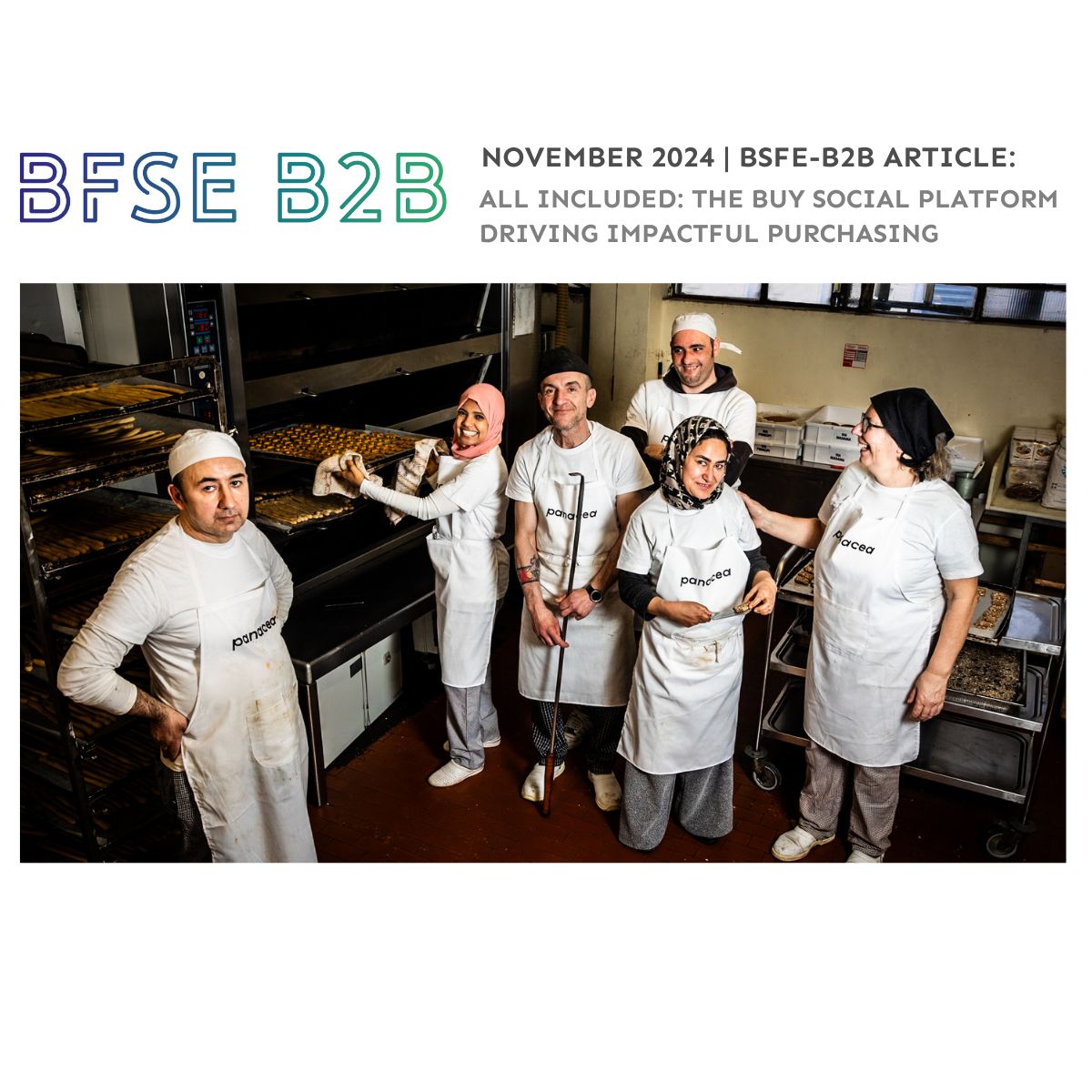
ALL INCLUDED: The BUY SOCIAL Platform driving impactful purchasing

Social procurement is reshaping how businesses approach purchasing decisions by integrating social impact goals alongside traditional financial objectives.

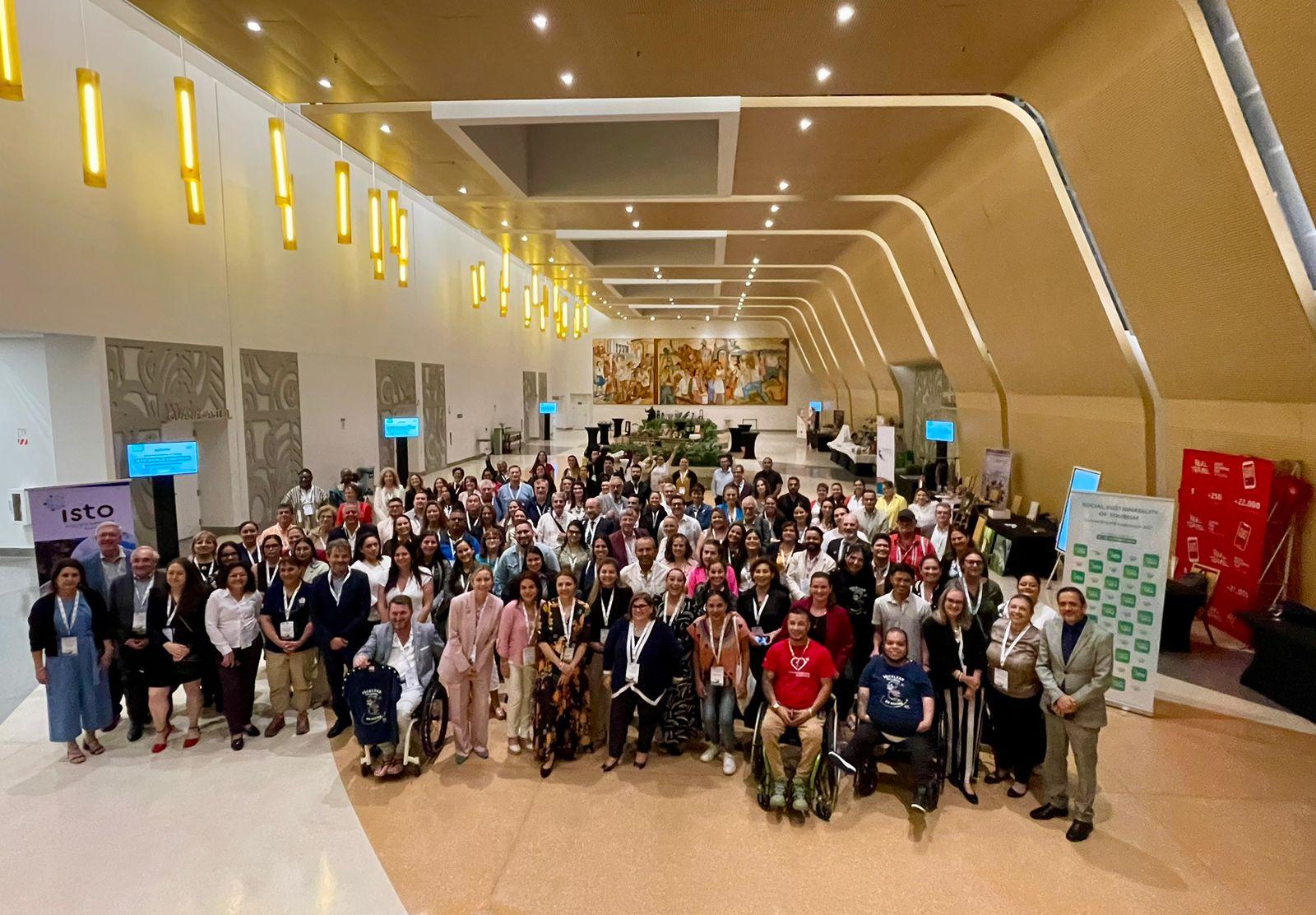
ISTO World Congress 2024: 360º of Social Sustainability in Tourism

Global leaders, innovators, and changemakers in the field of sustainable tourism got together during these days to discuss various topics. With the main theme of  “360º of Social Sustainability in Tourism”, this year’s event focuses on how the tourism sector can be a catalyst for social inclusion, community empowerment, and equitable economic development. 

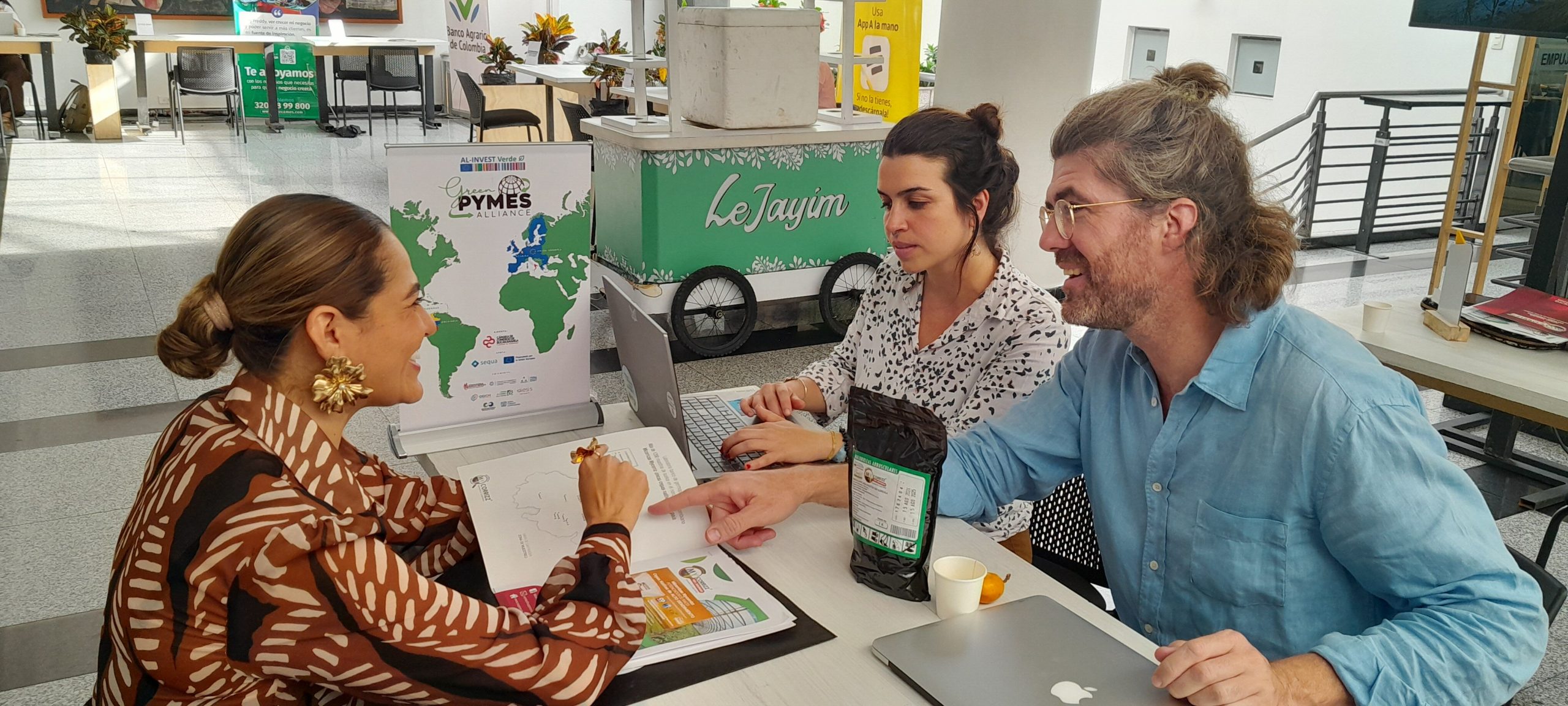
Green Pymes visit in Colombia

Recently representatives from Diesis Network travelled to Colombia to advance the Green Pymes project. Alongside italian partners from Confindustria SFC they spent an engaging week visiting local entrepreneurs in Bucaramanga and Manizales.

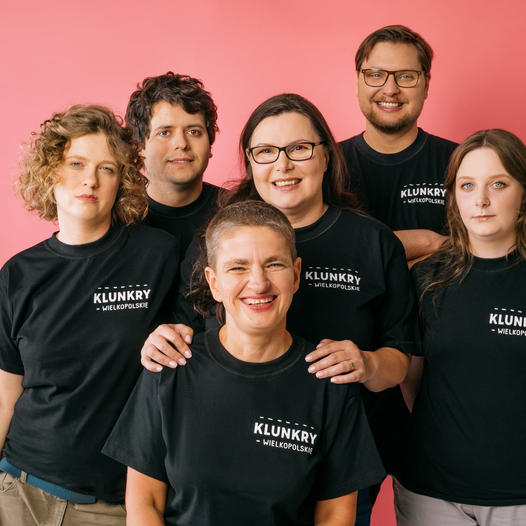
BUYSOCIAL: When two worlds meet

More and more companies are taking an interest in responsibility, and what pleases most is that they are responsible not only on a marketing level, but also on a social level.

BUYSOCIAL: Why local second/hand fashion is always a better option?

When it comes to buying clothes, often, unfortunately, people tend to buy them new. The convenience of going to a store can be tempting. But at what cost? Not only does buying new typically cost you more money, but the environment is also paying a high price to produce those new items.

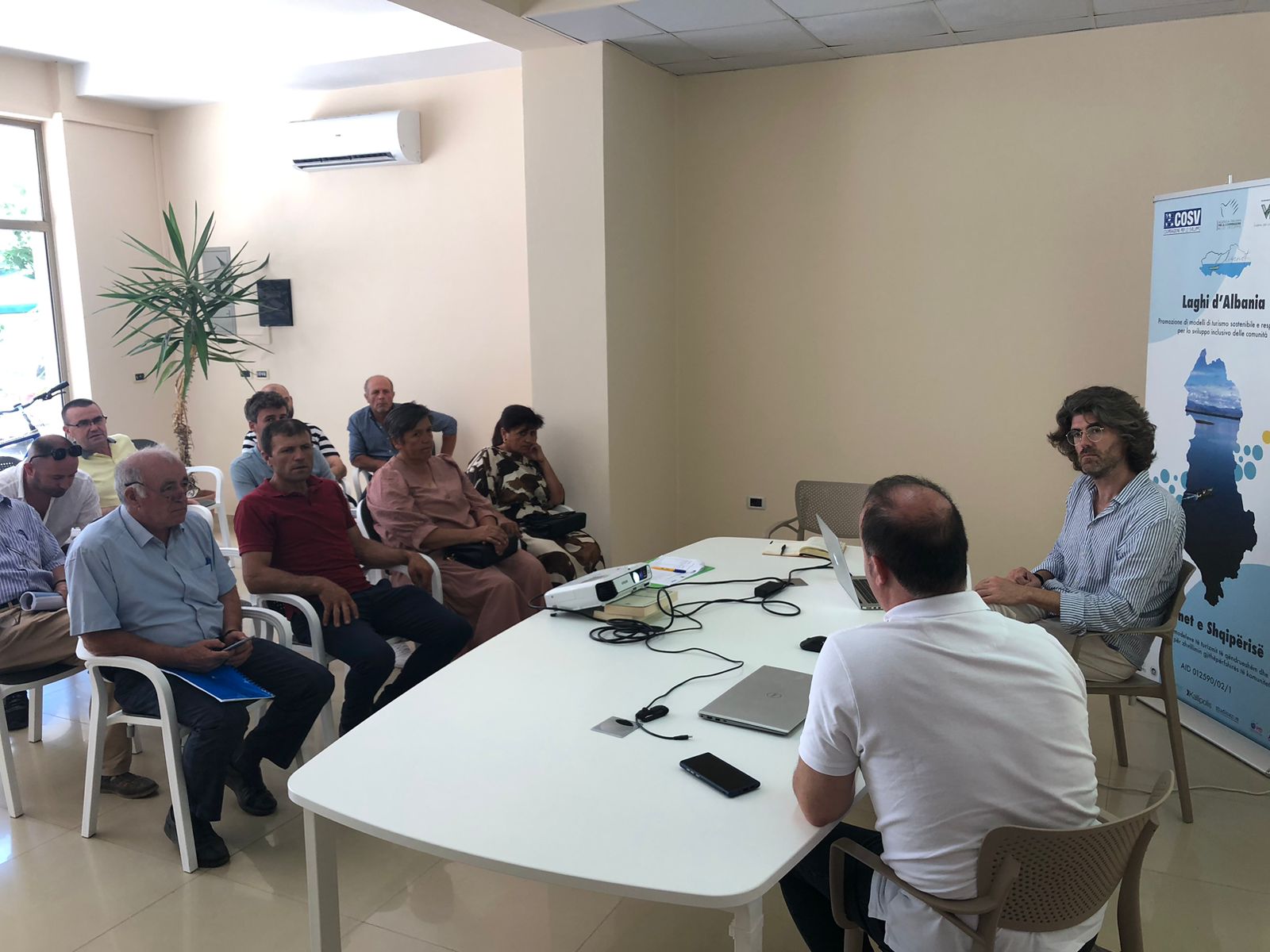
Discover the Lakes of Albania project

The Lakes of Albania project intends to promote innovative models of sustainable and responsible tourism in the areas relating to the two main lakes of Albania – Lake Skadar and Lake Pogradec / Ohrid – in opposition to models of tourism and invasive development which are rapidly expanding throughout the Albanian territory.

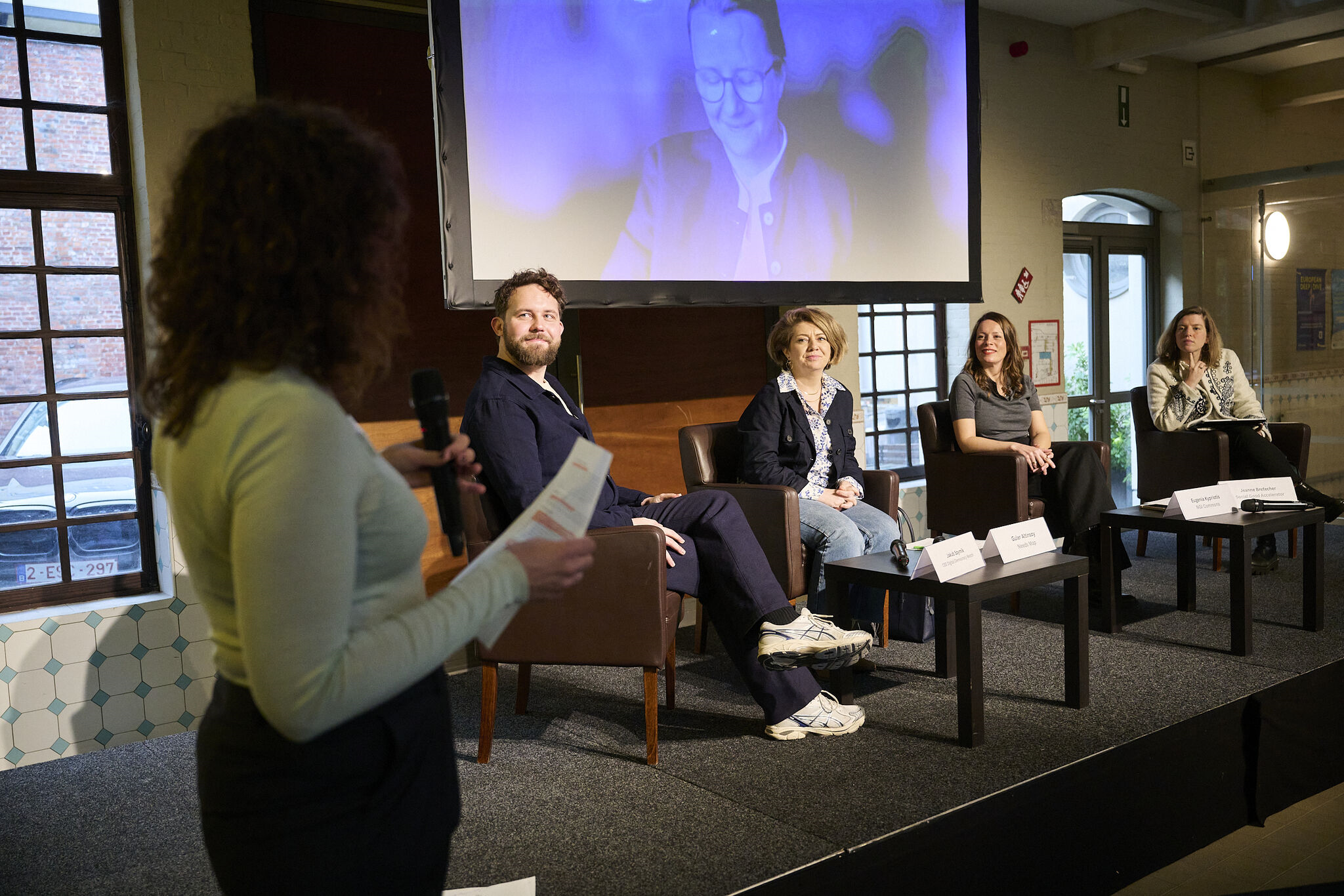
Diesis Networking Event 2024 in Brussels: A Step Towards Collective Growth and Impact

Green Pymes Alliance: Diesis Network’s action in Latin America

Did you know about the presence of Diesis Network in Latin America? We are partners in the Green Pymes Alliance project, funded by AL INVEST Verde and led by the Chamber of Commerce of Bucaramanga, Colombia.

Study visit to a rooftop urban garden under GRAINS project

SMEs in the agrifood sector can promote sustainability by reducing emissions, providing affordable and high-quality food, and generating inclusive employment opportunities. However, these SMEs face challenges such as skills gaps, policy restrictions, and funding constraints.

Study visit to Cameroon: FOR A’ESS – Social and solidarity Economy African Forum / Grease project

During the first FORA’ESS we had the opportunity to present the GREASE, which aims at fostering green social entrepreneurship in rural areas, ensuring women empowerment and sustainable inclusion in the labour market and a fair and sustainable twin transition in across Europe, Western Balkans and Central African regions.

Why Should Companies Buy from Social Enterprises

Social responsibility has become a crucial element for companies of all sizes and industries in today’s world. One area where private companies can make a significant impact is through socially responsible purchases from social enterprises.